Fashion
Why the penny loafer feels right now
In brief
The penny loafer's current appeal seems closely tied to practical dressing and restrained elegance. Worn by men and women, a well-made version offers the reassurance of a familiar shoe that can work with much of an existing wardrobe.
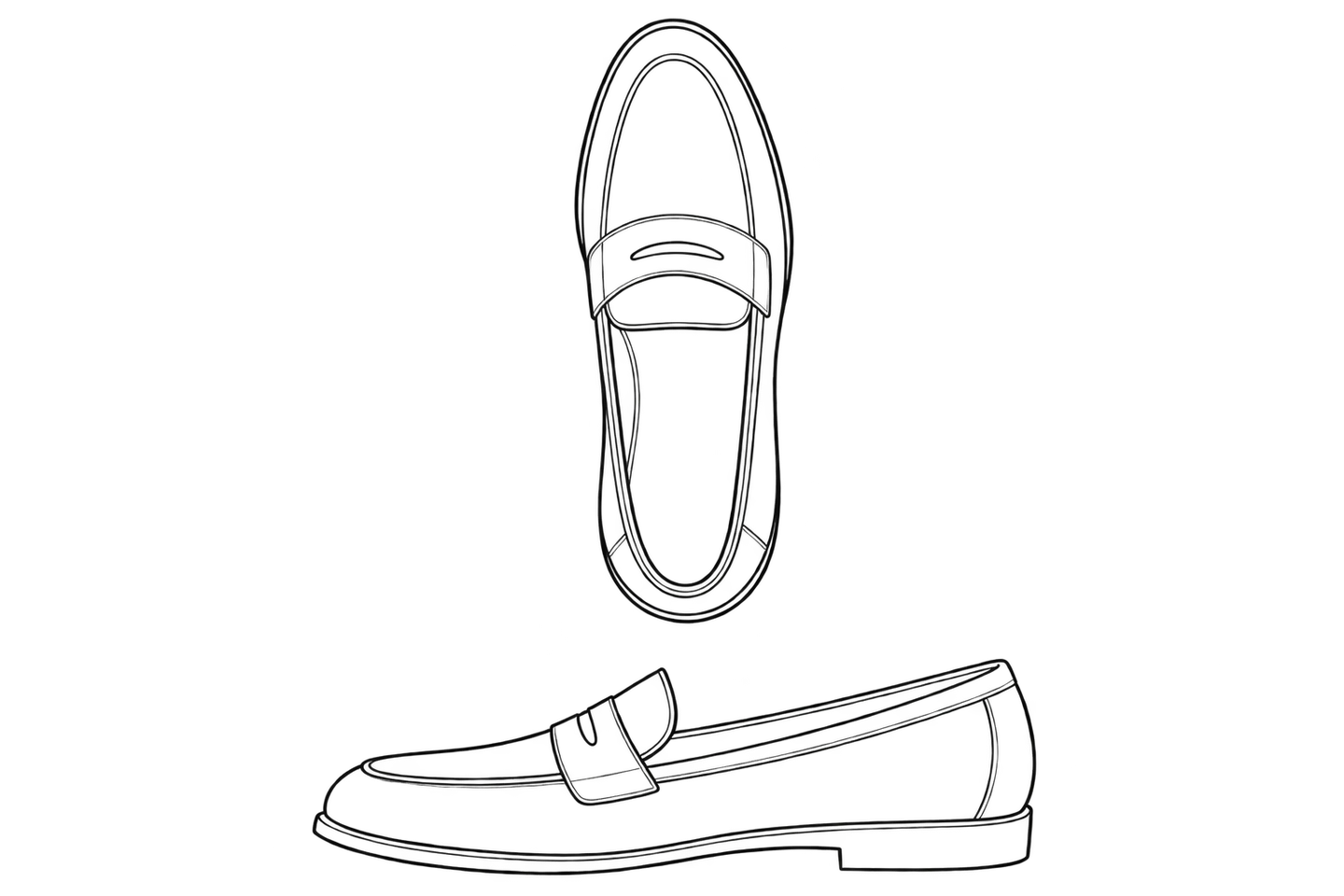
Loafers keep appearing in the runway images and social feeds I look at this autumn. I am struck by how little their basic shape has needed to change to attract younger wearers. The penny loafer still has its stitched toe panel and the leather strap cut with a small slot for a coin.
To me, it catches something of the air du temps. A shoe that slips on and goes with the clothes already in the wardrobe makes dressing simpler. Its shape has been around long enough to feel familiar.
With jeans or a skirt
Slipping on a loafer is a modest convenience. Jeans and a sweater look smarter with a pair of leather loafers. The combination takes little effort, and the shoes can remain quite discreet.
A shorter trouser hem exposes the strap. A white sock draws attention to the opening around the foot; a wide leg can leave just the toe and the edge of the sole visible. The wearer has plenty of room to adjust the effect while keeping the same pair of shoes.
That freedom extends across men's and women's wardrobes. The stitched toe and slotted strap can appear below a skirt, jeans or tailored trousers. The clothes give that familiar design plenty of ways to look current.
A familiar shoe, borrowed again
The design has travelled before. Aurlands traces the Aurland shoe to Norwegian shoemaker Nils Tveranger, identifying influences from Indigenous North American moccasins and local Norwegian footwear. G.H.BASS introduced its Norwegian-inspired Weejuns in 1936; the name was a shortening of “Norwegian”. They later became closely associated with American college dress.
J.M. Weston's 180 dates to 1946. The house recalls young people around the Champs-Élysées Drugstore wearing it barefoot with jeans in the 1960s, appropriating their fathers' shoes. A younger generation was already finding its own use for a familiar design.
Gucci gave the loafer a metal horsebit in 1953. The hardware occupies the place where a penny loafer has its slotted strap, so the family resemblance is easy to see.
The reassurance of a good pair
I also see the well-made loafer as a dependable choice. A design that has remained recognisable for decades offers some reassurance when buying something intended to last.
The edges around the opening should be neatly finished, with no rough stitching against the foot. A try-on would help establish whether the heel stays in place and the front feels too tight. A pair should earn its place on an ordinary morning, under trousers that were already there.