Why We Keep Returning to Familiar Designs
Updated
In brief
An old design can arrive at exactly the right moment in someone’s life. Luxury houses understand the appeal of that encounter. I am curious about how much of our desire belongs to the object, and how much we bring with us.
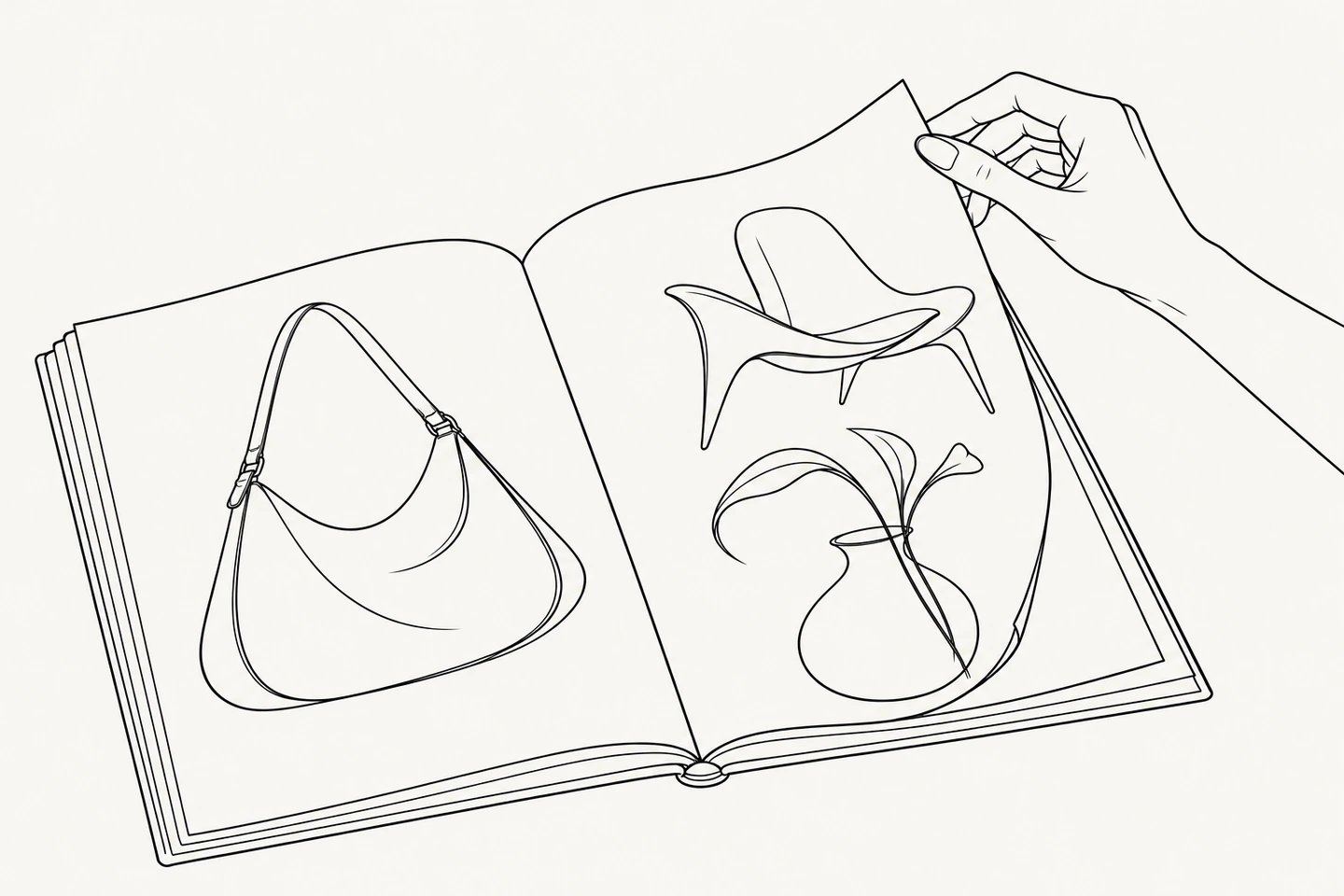
A bag you wanted twenty years ago can remain unfinished business. It might have been too expensive, or caught your eye on someone else’s arm. Seeing it again, within reach this time, can give a purchase an unexpectedly personal significance.
Prada’s Re-Edition bags revisit designs from 2000 and 2005. Balenciaga relaunched Le City in 2024, following its debut in 2001. Louis Vuitton’s 2025 reunion with Takashi Murakami extended across more than 200 creations.
These returns make me wonder how closely we look at something we already recognise. A familiar silhouette can settle the question of desire surprisingly quickly.
A past we never experienced
The attraction reaches people with no memory of the original launch.
An early-2000s bag encountered through old photographs can suggest a whole way of living. The clothes, the hair and the people carrying it contribute to its appeal. We get to imagine ourselves somewhere in that picture.
I understand the temptation. An era viewed from a distance has already been edited for us. Its less memorable products have largely disappeared from view. The objects that survive seem unusually distinctive.
The RealReal’s 2026 resale report recorded a 93% increase in searches for 2000s fashion on its platform. That tells us something about attention within one marketplace. The reasons behind each search remain unknown.
A buyer might love the shape. Someone else might be following a trend. Nostalgia seems too convenient an explanation for every purchase.
The reassurance of a known shape
An archive gives a luxury house plenty to work with. A recognised name, old campaign photographs and a distinctive silhouette are available before the new edition reaches a shop.
I can see why that would appeal during a change of creative direction. The product helps maintain a sense of continuity while the rest of the house is being reconsidered. Whether it actually lowers commercial risk would need evidence.
My hesitation concerns the space these familiar objects occupy. Every relaunch receives photographs, window displays and another round of commentary. An unfamiliar design has to establish itself alongside all that accumulated recognition.
Some objects take time to become interesting. I would like to see brands allow them that time.
Looking beyond the anniversary
Lalique’s Tourbillons offers a longer perspective. Suzanne Lalique-Haviland’s 1926 design reached its centenary with a coral-patina interpretation.
The date gives me a reason to look again. My attention then settles on the curves, the relief and the way the decoration holds the light. An anniversary can introduce the encounter; the object still has to sustain it.
I feel much the same about a reissued bag. Would its proportions appeal without the old campaign? Does it work with the clothes someone wears now? Would they enjoy carrying it regularly?
A convincing return can create a relationship that belongs entirely to the present. I would also like to encounter designs whose appeal I cannot place immediately. Some future favourites will probably need a little getting used to.