Joy By Dior, The Fragrance Evaluation : A Copy Of Allure de Chanel

0
Reading Time: 3 minutes

Joy-by-Dior-new-fragrance-scent

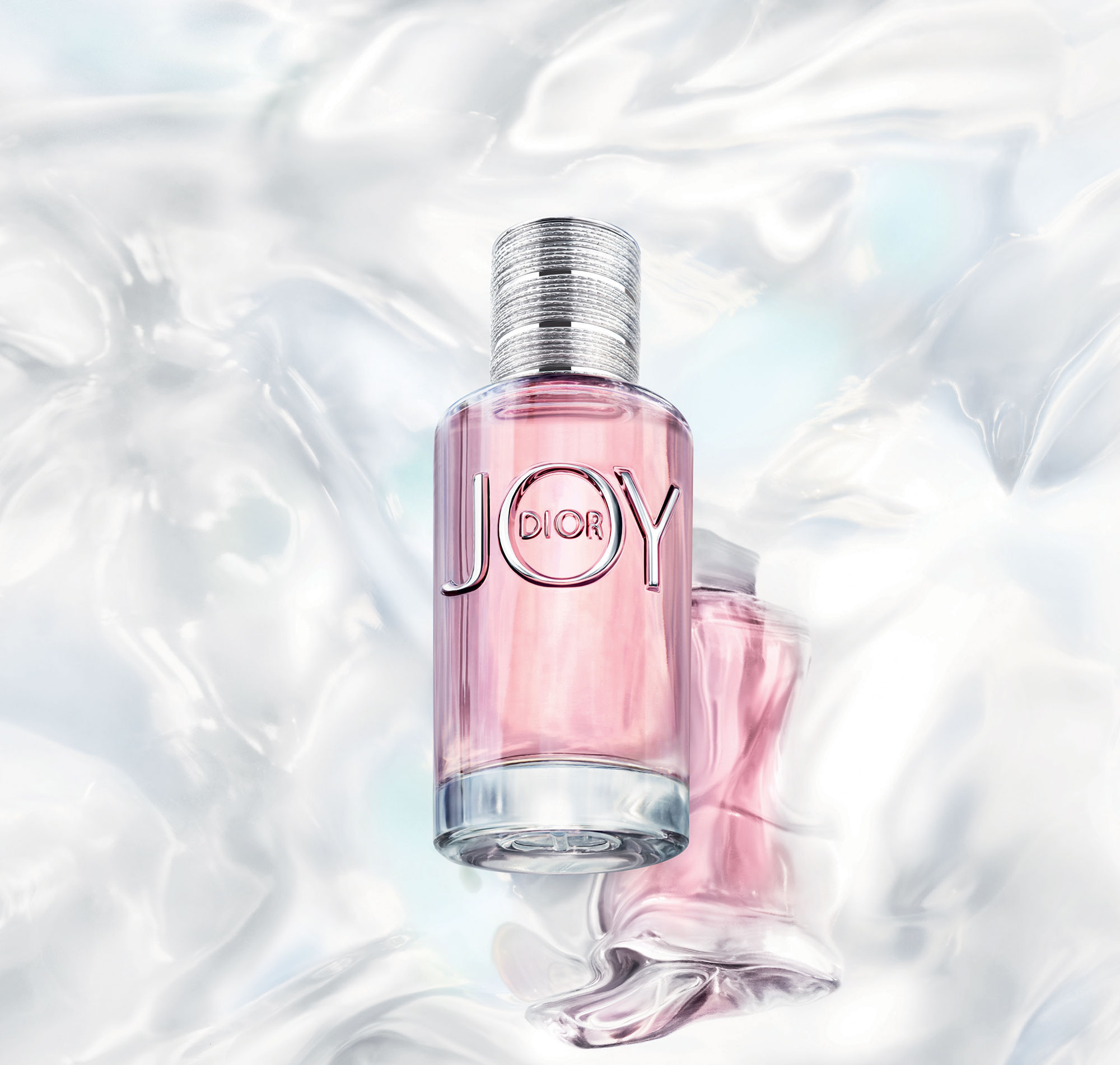
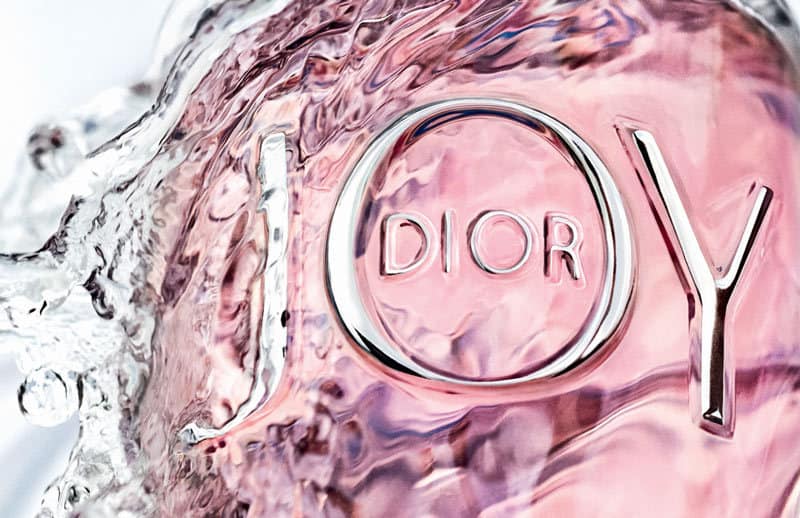
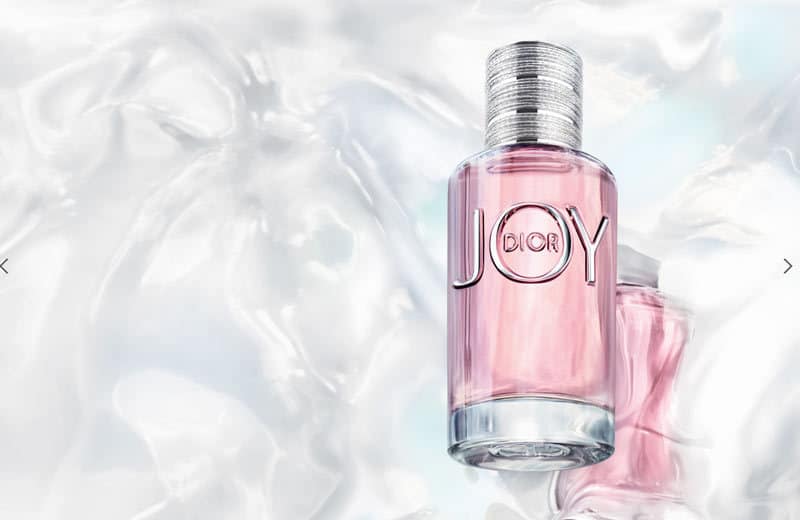
As most of you know by now, Christian Dior is launching JOY BY DIOR, the new fragrance for women. The perfumery community is one hundred percent aligned in the fact that most of the marketing mix is wrong for an important Dior launch:

  • The name JOY is a complete mascarade, buying Jean Patou’s name is a poor tribute to creativity. They could have done much better.
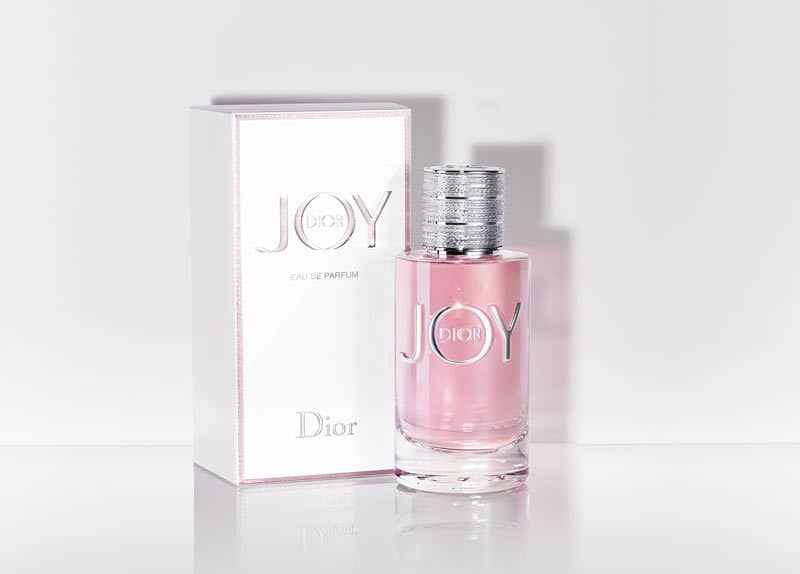
  • The flacon is not at the level of a great feminine at Dior. By using the existing flacon from the exclusives, it is a rational cost-saving move to improve margins
  • The outerpackaging with the Big Joy and the Dior logo within the O, looks more like O de Lancôme, no interest.
  • One important missing point in this analysis is the scent, which should be the most important point.

When I tried the fragrance for the first time, I was stroke by one important point: It smells Allure de Chanel. It was shocking to see how close the fragrance is to the original Chanel one. Probably François Demachy as one of the former Chanel perfumer now at LVMH, got influenced by it.

Dior-Joy-new-fragrance-launch

JOY by DIOR, the first minutes…

When smelling JOY by DIOR in the first minutes, we get a sparkling duo Bergamot and Mandarin followed by a cheer powdery structure. And this combination is what reminds me of Allure de Chanel. There is also a fruity note that brings a less qualitative and more commercial entry to JOY by DIOR versus the Peach note in Allure de Chanel.

JOY by DIOR, getting into the heart of the fragrance

The heart of the new fragrance is a playful ground for a Jasmin and a Rose of May (same as Allure de Chanel). The flowers are more majestic on skin while a bit chemical on scent stripe. We can say that the floral accord is well executed, qualitative but a bit old and above all: seen many times as Allure de Chanel became a top benchmark for many L’Oreal and LVMH launches since 1996.

JOY by DIOR, The base notes

After five hours, we have an overwhelming creamy Sandalwood note that I like, although for some people I know it is a bit “tape-au-foie”. The modern musks and the sandalwood note generate a powdery modern aura, bringing the fragrance into a sheer-oriental olfactory structure.

In conclusion, JOY by DIOR is in my personal evaluation a pale copy of Allure de Chanel. This line from Bergamot/mandarin towards the floral bouquet heart and the sheer softness of Sandalwood provide this effect. I could not see what the new Dior fragrance would bring to this very crowded olfactory family. It is disappointing from François Demachy, who used to work for Chanel, that he did not try to reinvent the wheel of semi-orientals. In this sense JOY by Dior is very disappointing and with no interest at all.

Joy-By-Dior-fragrance-review

Taking the name JOY from Jean-Patou and the scent from Chanel, is very disturbing and embarrassing. Seriously I am speechless. Probably a launch that will be forgotten in 18 month time.

Christian Dior could have done it better… but not Dior (if you see what I mean).

José Amorim

Info sourced by the author for luxuryactivist.com. All content is copyrighted with no reproduction rights available. Images are for illustration purposes only. 

Trending Beauty: Going Au Naturel

1
Reading Time: 4 minutes

Anyone who follows beauty in the least will tell you trends are always changing. There’s always some new game-changing ingredient or new technique every makeup artist on YouTube is trying and styles that fluctuate with the season. At LuxuryActivist we have been paying careful attention to the beauty trends of 2018, and there’s one common theme that hasn’t let up and shows no sign of slowing down. That trend is going au naturel. We’re talking stripped down essentials that reveal simple beauty. Here are three ways the au naturel trend is taking the beauty industry by storm.

Handcrafted Skincare

handcrafted-skincare

Forget about the chemical-laced products created in a lab. Today, more people are reaching for skincare products made by a person using natural, organic ingredients. Companies like Zoetic that handcraft their skin concoctions are gaining a lot of momentum as consumers yearn for products that not only have natural ingredients but are made naturally.

It’s partially a continuum of our shying away from mass production and also the result of a barrage of studies that question the safety of man-made ingredients. Many of those ingredients seemed to be okay, but now the long-term use of parabens, sulfates and the like could be more detrimental than anticipated. Worse still is that many of those unnatural ingredients don’t have skin benefits. They are typically added to improve shelf-life or act as a preservative.

The concern is great enough to cause many beauty mavens (and cosmetic manufacturers) to take a step back and reevaluate what they’re using. For most, the answer is products that are naturally produced and closer to beauty products that have been smoothing skin for centuries.

Natural Looking Makeup

make-up-trends

Have you noticed that there’s far less emphasis on contouring and over-the-top makeup these days? The trend now is to create a natural look with makeup that seems to barely cover the skin. It’s what some beauty insiders are referring to as “baby skin.” As in, fresh skin that seems to glow on its own.

The modern spin on the fresh “natural” face focused on full brows that aren’t solidly blocked in, a hint of bronzer to make skin look sun-kissed without being covered and setting sprays that leave a dewy sheen. Not surprisingly, moisturizing primers are quickly replacing full-on foundation. It’s more about embracing your natural beauty than trying to carve out features you don’t actually have. After all, if you’re going to spend time and money perfecting your skin you might as well show it off.

Natural tones and colors are also all the rage from shadows to lip glosses. In fact, clear and nude glosses are selling big since it compliments the trend towards natural skin.

All About Hydration, Vitamins, and Minerals

For so many years we’ve been focused on what we slather on our skin, it seems we forgot that what’s inside really counts. There’s been a huge movement in the beauty industry towards products that are ingested to reveal beautiful skin from the inside out.

It’s an idea that makes total sense. When your body lacks vital hydration and nutrients, your skin is going to pay the price. And if you think you’re not malnourished, you may need to track your consumption a little more carefully. Most Americans don’t get enough key nutrients in their daily diet. Even a common anti-aging nutrient like fiber is under-consumed by the majority of adults.

But don’t worry. The beauty industry now has an arsenal of nutrient-rich waters, liquid additives, and supplements that feed your skin. Antioxidant water boosters are one of the hottest natural beauty trends right now. Not only does it encourage people to guzzle down more water, these products promise to deliver skin-saving nutrients that are absorbed at a higher rate.

Overall, beauty supplements are set to become a big business. A recent study from Research and Markets estimates that the global beauty supplement market will grow to $7.1 billion by 2023.

The moral of the story is that if you’re trying to improve the look of your skin, the trend is to go natural all around from the inside out. If nothing else, products that put an emphasis on natural beauty will at least help you make healthier choices about your skincare routine.

Liz Becker

Info sourced by the author for luxuryactivist.com. All content is copyrighted with no reproduction rights available. Images are for illustration purposes only. 

Christian Dior Launches JOY BY DIOR. Rewriting Perfumery History Is Not A Good Thing

1
Reading Time: 10 minutes

joy-by-dior-so-bad

The Perfumery market with more than 1’000 launches every year became a very competitive and tough market to work on. Some brands outstand more than others, especially those who take risks and truly innovate. J’Adore was for sure, back in 1999, the last daring blockbuster creation of the fragrance and luxury house. Now, almost 20 years after the launch of J’Adore, Dior announced the launch end of August of a new big feminine fragrance, described as a new chapter in the company’s history. The fragrance is called JOY and at LuxuryActivist we feel it was not a good thing to acquire this name from Jean Patou. By trying to rewrite history, Dior forgets about the tremendous richness of the brand and not sure this will bring them luck. There are certain things that should not be done. The French brand already revisited history a couple of times, here is a quick flashback.

Revisit N.1 – Remember Miss Dior? History Rewritten.

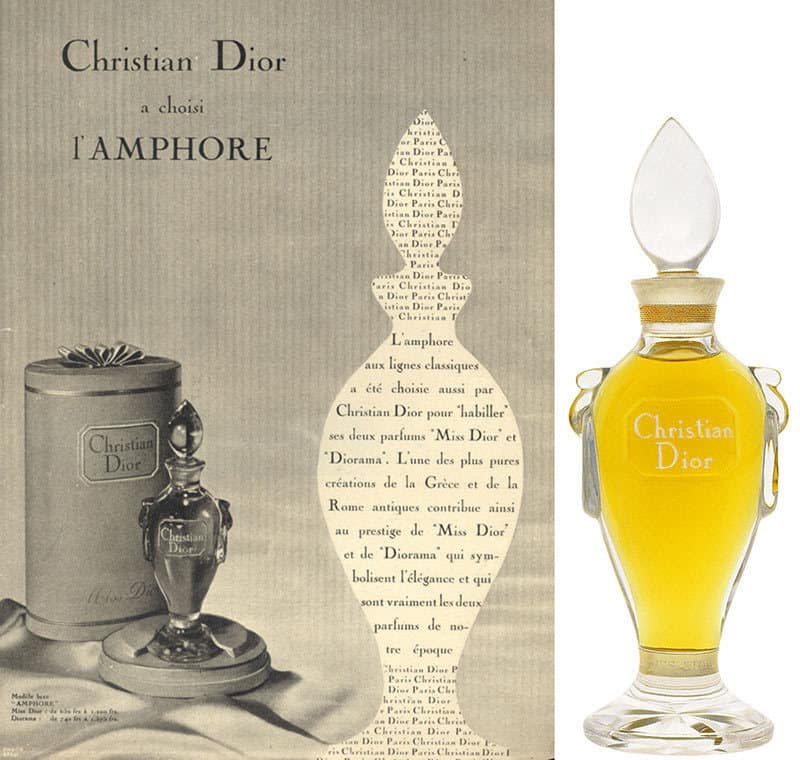
One of the founding fragrances of the “Après-guerre” was Miss Dior, now called the Miss Dior Originale. Launched in 1947, Miss Dior was the symbol of a positive renewal. The world was devastated by the Second World War and Christian Dior wanted to bring a positive and optimistic vision of the future. This signature fragrance for the luxury house was born in the “New Look” era and represented the extreme elegance and refinement of Christian Dior.

history-of-christian-dior-new-look

Miss-Dior-1947-ad-amphore

The classic Chypre structure was revisited thanks to an introduction made of Galbanum, Gardenia and Clary Sage. The magnificent floral heart translates a rich blend of Rose, Neroli and Jasmine. The olfactory structure is complete by a warm aura of oakmoss, patchouli and ciste labdanum. Created by Jean Carle and Paul Vacher, Miss Dior became a true archetype for the green chypre structure. It defined for many years the Christian Dior house and the style of Mr Christian Dior in person.
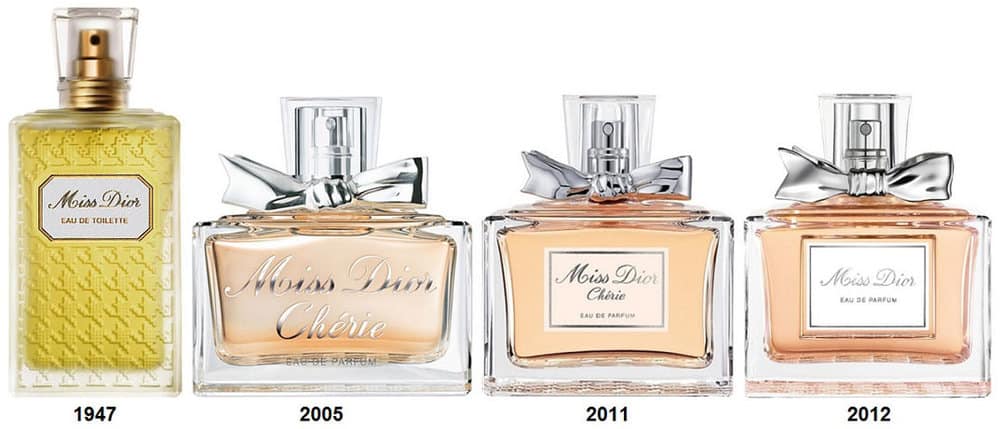
Years passed by and in 2005 Dior launches Miss Dior Chérie with the face of Riley Keough (oldest grand-daughter of Elvis Presley). The tag line was the “New look of Dior”. Obviously the idea was to capitalize in the iconic franchise by bringing a young and more suitable to market fragrance.

Miss-Dior-Cherie-with-Riley-Keough

What we did not know is that rather than capitalizing in the Miss Dior franchise, Miss Dior Chérie phagocytes the historic fragrance. The “Chérie” word disappeared in less than 10 years and rationalization happened.

Miss-Dior-Cherie-Becomes-Miss-Dior

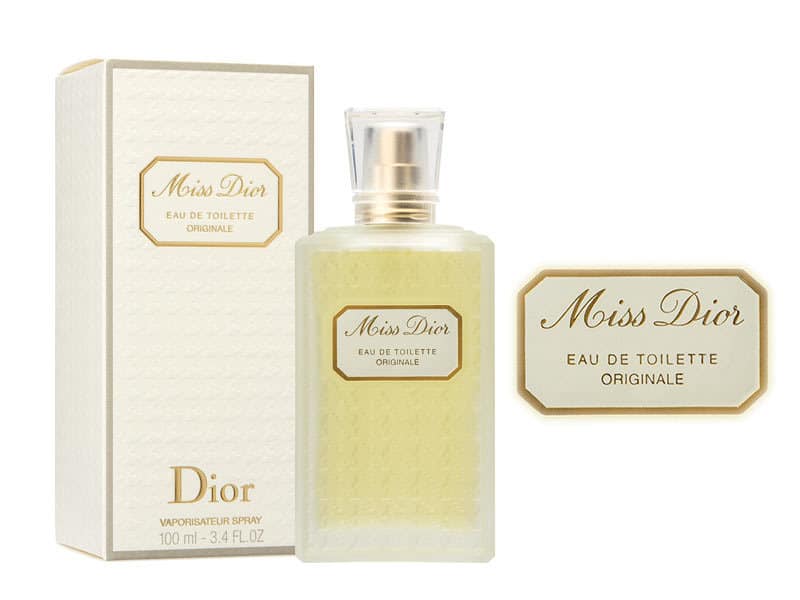
Miss-Dior-Originale-1947

As we can see in the picture above, now the Miss Dior from 1947 is called Miss Dior Originale, so you understand which one is the first one. With this, Dior has rewritten the Miss Dior franchise allowing further commercial developments. Currently we count around 11 different references from a fragrance point of view (alcohol base) and 9 ancillary products. Also in terms of fragrances, there are now four main olfactory developments as follows:

  • Miss Dior Originale
  • Miss Dior
  • Miss Dior Absolutely Blooming
  • Miss Dior Blooming Bouquet

Not sure we get any clarity in the line and erasing the “Chérie” from the 2005 launch was basically a way to reset the line now under the silhouette of Natalie Portman.

Miss-Dior-Natalie-Portman

Somehow, Christian Dior is king in its kingdom, so they can do whatever they want with their own heritage. If they wish to revisit their portfolio, up to them to decide. They know best what their brand needs. Unfortunately, the revisits did not stop at the borders of the French luxury house, it went beyond, which causes some anachronisms.

Revisit N.2 – Remember Marilyn Monroe? History Rewritten

In 2015, Dior presented a new ad for J’Adore in which we can see several past hollywood stars including Grace Kelly and Marilyn Monroe. Having Marilyn Monroe wearing J’Adore was pretty shocking as we know she was a Chanel N.5 addicted. This revisit of history made Chanel react  of course and Chanel displayed the beautiful and emotional interview of Marilyn where she says that she only wears Chanel N.5 in bed. This allowed Chanel to replace history where it should. Here below the sound extract

Revisit N.3 – Remember Joy By Jean Patou? History Rewritten

joy-Fragrance-bottle

When Jean Patou launched Joy in 1930, it was not only a big statement but also a big financial risk. In 1929 it was the Wall Street melt down. Economic crisis was at its hardest and in those hard moments, Jean Patou had this great idea of launching the “Costliest perfume in the world” and it would be called Joy. Only the finest ingredients would be used in this timeless fragrance. Two main stars of the composition take the lead: Jasmin and the Centifolia Rose from Grasse (south of France). The generous usage of these two precious absolutes made this fragrance extremely costly. We tend to say that for each ounce of Joy, it is required 10’000 Jamine flowers and 28 dozens of Centifolia Roses. History says that after the in-house perfumer has created a formula containing quite a lot of magnificent natural, Jean Patou himself asked to double the dosage. With a lot of talent and mastery, Henri Alméras controlled these powerful elements to create the most exquisite fragrance of all.

Sometimes we would say that money cannot buy everything but sometimes it does. Jean Patou was a family-owned business until 2001 when Procter & Gamble purchased the business. Obviously they offered a proposal that could not be refused. We thought it was the end of the brand as marketing and distribution groups such as P&G would find hard to develop such unique brands. That’s why 10 years later, Jean Patou was again sold to Designer Parfums Ltd, a UK-based firm. We thought they would be the saviors of such outstanding heritage until they sold now the brand to LVMH. Strange coincidence this acquisition at the same time Dior is launching a fragrance called Joy.

Talking about this new launch, I must confess it is very shocking to see such a honorable luxury house going that road and rewrite history by acquiring the rights of using such an iconic name. Aren’t other names available? There are great temptations for a marketer in the perfumery business. One of them is to take different elements from different past projects, mixed them together and hope for the best.

https://www.instagram.com/p/Bmp2LMwHJ1e/?taken-by=diorparfums

In the media mix, we have Jennifer Lawrence, young sexy and talented. Nevertheless, it sounds more a marketing hit as the character is not at the same level as Charlize Theron. The fragrance flacon is taken from the Exclusives line. No creation at all for a new Dior. This is also bringing creation down. While Dior is looking for its “La-Vie-Est-Belle killer“, marketing should never overtake creation. We shall share here more elements once the launch is official, by the end of August. This news comes along with the news about the fact LVMH would have acquired Jean Patou. LVMH is close to acquiring a new perfume brand, Jean Patou, for its portfolio and has done it very much on the quiet. The announcement is not official but there are a couple of signs that do not lie. Sydney Toledo, former CEO of Christian Dior Parfums and since January CEO of LVMH Fashion group, became the new chairman of Jean Patou. Jean Patou headquarters are now listed at 24 rue Jean Goujon, also the location of LVMH Fashion group. While LVMH is taking over Jean Patou, Christian Dior is launching JOY… It reminds me when P&G launched Femme by Hugo Boss, after purchasing Rochas.
Joy-by-Dior

Joy-by-Dior

Joy-by-Dior-review

It is not only very surprising but also very disappointing to see Christian Dior Parfums acting in such way. Important brands have important responsibilities to make the industry better and level up things. By trying to re-write history, Christian Dior is not creating the future, more a half-cold present. When we know of what the fragrance and luxury house is capable of, we want to see Christian Dior on better, greater and original launches. You can read more in the brand website here: Dior.com.

End of the 90’s, An Amazing Period For Christian Dior Parfums – Creativity At Its Maximum

Christian Dior had an interesting decade from 1990 and 2000. It was a moment during which the luxury french brand was going over different reorganizations. In 1987 Moët & Chandon becomes LVMH by merging with Hennessy and Louis Vuitton. Two years later, 1989, Bernard Arnault takes over LVMH through Financière Agache. His first important decision is to gather under the umbrella of Christian Dior Holding the two main activities of the brand: The Couture and the Fragrances. In 1997, LVMH acquires SEPHORA, the perfumery distributor leader. The aim is to provide distribution power to all incoming fragrance launches of the group. The set is ready for Christian Dior to deploy the wings of creativity and strike the market with great launches.

1998: Launch of Hypnotic Poison, a true olfactory bomb

dior-hypnotic-poison-eau-de-toilette

Christian Dior launched in 1998 a true olfactory UFO, in the name of Hypnotic Poison. Building in the strong foundations of the 1985 Poison fragrance line, It was a big hit for Christian Dior. The fragrance itself was out of this world. Annick Menardo (Firmenich) created a very original distinctive fragrance still with a strong commercial appeal. It was clearly a defining moment for Annick Menardo that earned golden letters in her job as Perfumer. This fragrance follows the mythic path of Poison and is a diabolical and mysterious fragrance, a magical philter of modern times that expresses the sensuality of our era. Extravagant and intoxicating, Hypnotic Poison is the perfume of femininity and boldness. The success of Hypnotic Poison helped Christian Dior to capitalize revenue in order to prepare what was coming.

1999: A defining year for Christian Dior Parfums – The Launch of J’Adore

1999-carmen-kass-christian-dior-Jadore-parfum

Capitalizing on its legacy is one thing. Creating a new heritage is something else. At the end of the 20th century, Christian Dior Parfums had a new defining moment, the launch of J’Adore Eau de Parfum. Everything in this fragrance was new and the blend was a tremendous cocktail of creativity, audacity and commercial reality. The ambition was very clear, became market leader within the year of launch. Everything was put in place to make it happen:

  • a great concept
  • recognizable packaging and flacon
  • a memorable fragrance
  • A communication war machine
  • Distribution fire power

The perfumer behind the creation of J’Adore is Calice Becker, at that time working for Quest International (now Givaudan). It was for sure a defining moment for her as well by signing one of the biggest blockbusters of the industry. With this launch, Christian Dior revised the luxury standards of perfumery and made a great success over the years. Quickly the French brand found a new face for J’Adore with Charlize Theron, who became Madame J’Adore since then.

The creative heritage of Christian Dior Parfums always brought the brand into untapped territories allowing the brand to position themselves as true leaders and innovators. We all remember fragrances like Fahrenheit, or even the Dior Colognes… fragrances that set benchmarks in the industry and that would mark people’s mind in a positive way.

By launching such a commercial soup without any commitment to creativity, Christian Dior is letting the marketing battle to win. A fragrance should be more than just a marketing mix in which consumer testing and marketing techniques rule. I did not have the opportunity to smell the fragrance itself but I will not miss to say what I think in a next post.

Shame, Shame, Shame on you Christian Dior. Unfortunately it is not a “joyful” news.

Jose Amorim

Info sourced by the author for luxuryactivist.com. All content is copyrighted with no reproduction rights available. Images are for illustration purposes only.

Was The 19th Century A True Shift In The History Of Arts & Science?

Reading Time: 14 minutes

If someone would ask me about my preferred moment in Arts, I would answer without any hesitation “THE 19TH CENTURY”. It crystalizes the heritage of the Enlightenment century with the Industrial revolution. Artists became more curious about nature, society and even the human relations. There is this aim to understand the past in order to shape the future. This curiosity initiated an age of exploration that reached all domains in Art. Here is a short recap about the creative minds who have influenced the 19th century in their respective domains and they are still references worldwide. Welcome to the glorious 19th century and the amazing feeling that everything is possible.

The 19th Century In Arts, A Beautiful Revolution

My approach of the 19th century needs to start with visual arts. This century brought such a creativity that we almost erased history. Sometimes we say that in order to innovate and bring a rupture, you need to master the current rules. Classicism was at its max, artists would follow the mainstreams in arts, painting epic battles and classic visions of society. But with the rise of a new generation of artists, the dream was much bigger than a simple history repeating. Different art movements like impressionism, surrealism, fauvism or pointillism got their peak during this amazing century and some painters became references for the next century.

Gustave Courbet (1819-1877)

Courbet is probably one of the most powerful, creative and complex artist of the 19th century. He led the Realism movement in painting. Committed to painting only what he could see, he rejected academic convention and the Romanticism of the previous generation of visual artists. His independence set an example that was important to later artists, such as the Impressionists and the Cubists. Courbet occupies an important place in 19th-century painting as an innovator and as an artist willing to make bold social statements through his work. Three main paintings should outstand from Courbet’s work: A Burial at Omans, The Painter’s Studio and of course L’Origine du Monde, here below.
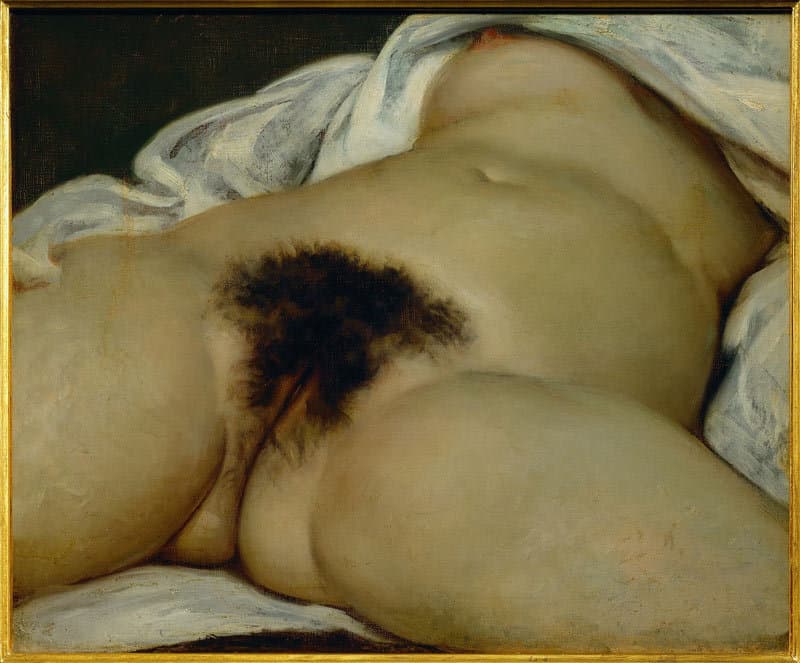
Gustave-Courbet-L-origine-du-monde

Gustave Moreau (1826-1898)

Another Gustave but one of a kind: Gustave Moreau. He was a major figure of Symbolism painting, illustrating biblical and mythological figures. Although Gustave Moreau remains associated with Decadence or Symbolism, in reality he was, above all, an innovative history painter. His work was influenced by the Italian renaissance. Oedipus and the Sphinx, one of his first Symbolist paintings, was exhibited in 1864. Moreau quickly gained a reputation for eccentricity. His education in classical drawing helped him to have a strong base but did not stop him to experiment different styles of art. His travels and readings brought his imagination to seek a certain degree of exoticism. During his lifetime, Moreau produced more than 8,000 paintings, watercolors and drawings. His work influenced the next generation of Symbolists, particularly Odilon Redon and Jean Delville, a leading figure in Belgian Symbolism in the early part of the twentieth century. Here below, Europa and the Bull.

Gustave-Moreau-The-Bull-and-Europa

Berthe Morisot (1841-1895)

It is not common to talk about a woman during this period but it was almost impossible not to talk about Berthe Morisot. She was a painter and a member of the impressionists circle. She used to be described as one of “trois grandes dames”, together with Marie Bracquemond and Mary Cassatt. Across the years, Berthe Morisot style evolved. She started with watercoloring, then impressionism, drawing and squaring. In general her “signature” was described as elegant, feminine and light.  Here below one example of her impressionist work, Grain Field:
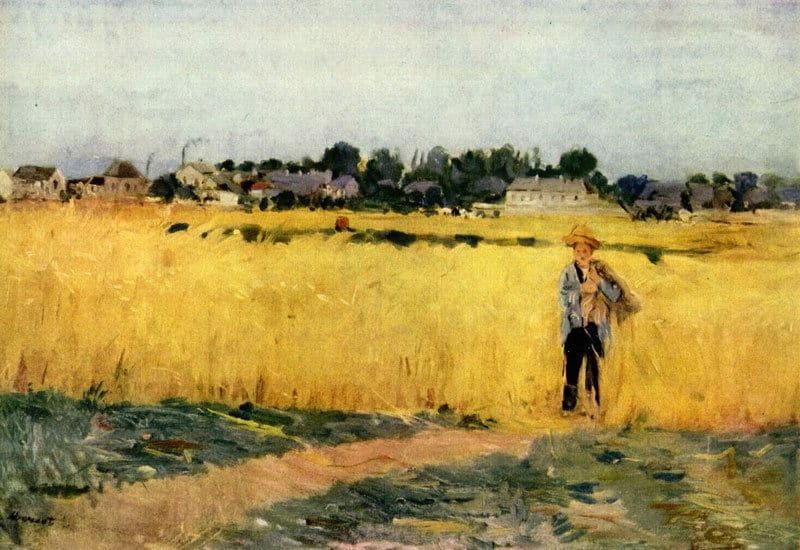
Berthe-Morisot-Grain-Field

Félix Vallotton (1865 – 1925)

I would like to close this chapter with probably one of the most gifted Swiss artist, Félix Vallotton. He was born in Lausanne,  and graduated with a degree in classical studies in 1882. That same year, he moved to Paris to study art under Jules Joseph Lefebvre and Gustave Boulanger at the Académie Julian. he started immediately by painting and carving. He also wrote quite a lot about art and became a respected art critic at his time. He usually depicted types rather than individuals, eschewed the expression of strong emotion, and a graphic wit with an acerbic if not ironic humor. Here a portrait of Paul Verlaine:

Felix-Vallotton-A-Paul-Verlaine

The 19th Century In Sculpture, Strong Foundations

This transition century also brought tremendous evolution to sculpture. We leave classicism to the past and symbolism takes over. Sculptures expresses concepts, feelings and become a true witness of the artist internal struggles.

Auguste Rodin (1840-1917)

Auguste Rodin is today seen as the preeminent sculptor at the turn of the century. As a Symbolist, Rodin often dealt with the thoughts, emotions, and sensations, evoked by his sculptures, in an intellectual and less obvious way than found in Romantic works from earlier in the century. Sculpturally, Rodin possessed a unique ability to model a complex, turbulent, deeply pocketed surface in clay. Many of his most notable sculptures were roundly criticized during his lifetime. They clashed with predominant figurative sculpture traditions, in which works were decorative, formulaic, or highly thematic.
Zurich-Kunsthaus-Rodin's-Hollentor-helldoor

The 19th Century In Literature, The World Belong to Dreamers

Literary realism is the trend, beginning with mid nineteenth-century French literature and extending to late-nineteenth- and early-twentieth-century authors, toward depictions of contemporary life and society as it was, or is. In the spirit of general “realism,” realist authors opted for depictions of everyday and banal activities and experiences, instead of a romanticized or similarly stylized presentation.

Edgar Allan Poe (1809 – 1849)

Edgar Allan Poe was an American writer, editor, and literary critic (which some people did not know). Poe is best known for his poetry and short stories, particularly his tales of mystery and the macabre. He is widely regarded as a central figure of Romanticism in the United States and American literature as a whole, and he was one of the country’s earliest practitioners of the short story. Edgar Allan Poe is generally considered the inventor of the detective fiction genre and is further credited with contributing to the emerging genre of science fiction.

Edgar-Allan-Poe

Charles Baudelaire (1821 – 1867)

Charles Baudelaire was a French poet who also produced notable work as an essayist, art critic, and pioneering translator of Edgar Allan Poe. He expresses the changing nature of beauty in modern, industrializing Paris during the 19th century. Baudelaire’s highly original style of prose-poetry influenced a whole generation of poets including Paul Verlaine, Arthur Rimbaud and Stéphane Mallarmé, among many others. He is credited with coining the term “modernity” to designate the fleeting, ephemeral experience of life in an urban metropolis, and art’s responsibility to capture that experience.
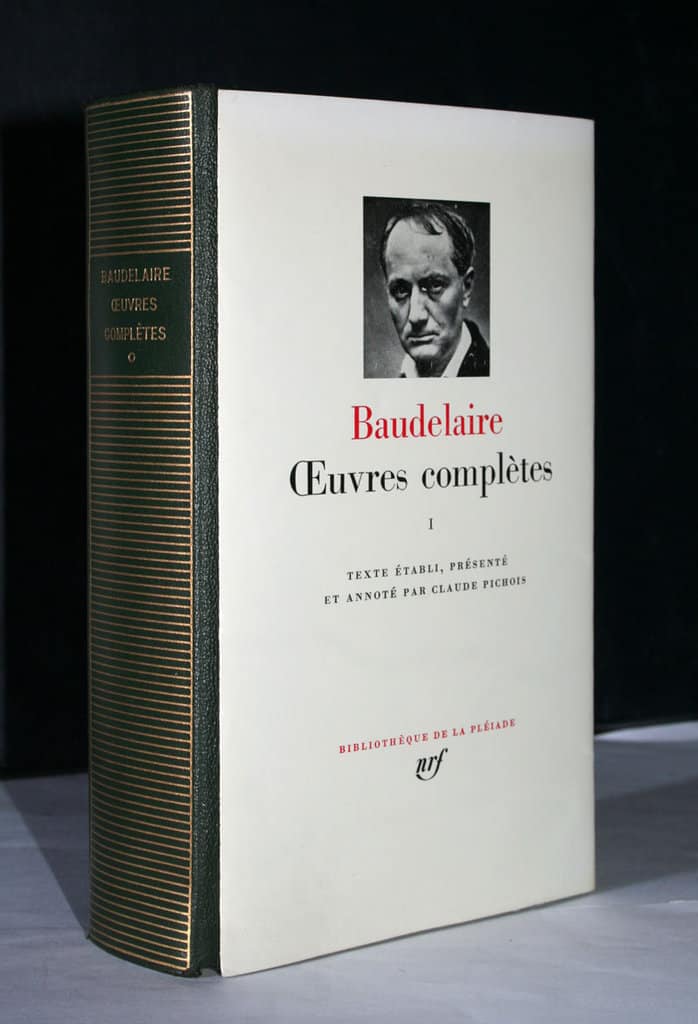
Charles-Baudelaire-Flowers-of-evil

Arthur Rimbaud (1854 – 1891)

He was a French poet who is known for his influence on modern literature and arts, which prefigured surrealism. Rimbaud was known to have been a libertine and a restless soul, having engaged in an at times violent romantic relationship with fellow poet Paul Verlaine, which lasted nearly two years. After the end of his literary career, he traveled extensively on three continents as a merchant. If there is one work you should keep from him, you need to read Illuminations. It is representative of the modern era that poetry got into. Romantism and realism were two strong allies of this new era.

Arthur-Rimbaud

The 19th Century In Music, Set Us Free

This end of the century, had also the arrival of amazing composers and musicians. A new artistic aesthetic, Romanticism, replaced the ideals of order, symmetry, and form espoused by the classicists of the late eighteenth century. Romantics valued the natural world, idealized the life of the common man, rebelled against social conventions, and stressed the importance of the emotional in art. In music, Romanticism, along with new opportunities for earning a livelihood as a musician or composer, produced two seemingly opposite venues as the primary places for musical activity—the large theater and the parlor.

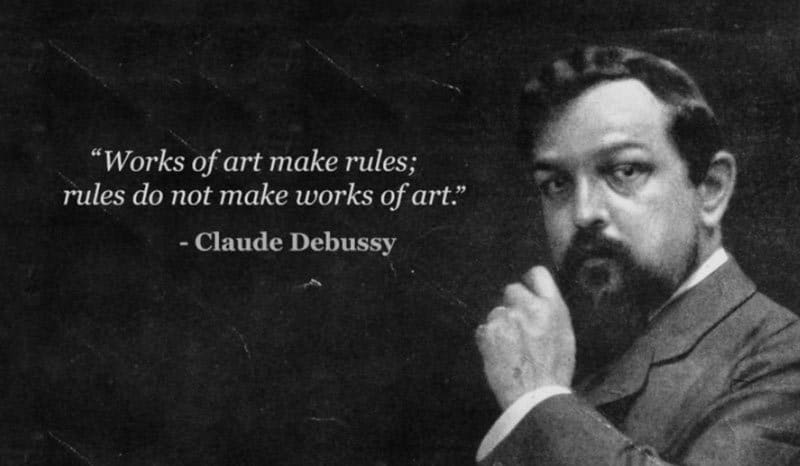
Claude Debussy (1862-1918)

He was among the most influential composers of the late 19th and early 20th centuries. Claude Debussy was considered the first “impressionist” composer. Debussy’s orchestral works include:

  • Prélude à l’après-midi d’un faune
  • Nocturnes
  • La Mer
  • La Damoiselle élue
  • Le martyre de Saint Sébastien

Claude Debussy was greatly influenced by the Symbolist poetic movement of the later 19th century. His music was to a considerable extent a reaction against Wagner and the German musical tradition. He regarded the classical symphony as obsolete and sought an alternative in his “symphonic sketches”
Claude-debussy-romantism

The 19th Century In Perfumery, Modernity At Last

It is really impressive to see how many tremendous changes operated in this 19th century. Getting rid of past weights to embrace a modern era became the mojo of many brilliant minds and creators. Perfumery is not an exception. While we were still living in a perfumery world based on old recipes (tentures, infusions, distillations…), a lot of research was made, especially in the field of synthetics and nature-like. German chemists allowed to improve by thousands, the quality and the diversity of molecules. From these evolutions, some of the most extraordinary fragrances were created.

Pierre-François Pascal Guerlain (1798-1864)

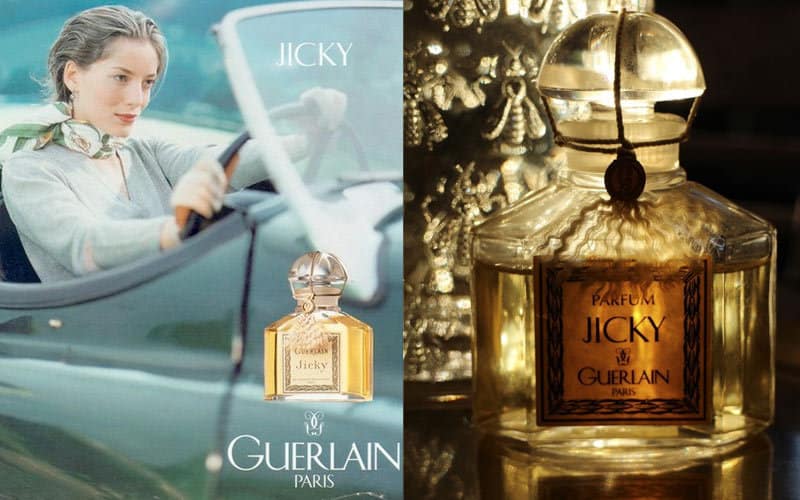
The House of Guerlain was owned and managed by members of the Guerlain family from its inception in 1828 to 1994. One man started this beautiful adventure: Pierre-François Pascal Guerlain. He opened his perfume store at 42, rue de Rivoli in Paris. As both the founder and first perfumer of the house, Pierre-François composed and manufactured custom fragrances with the help of his two sons, Aimé and Gabriel. Through continued success and the patronage of members in high society, Guerlain opened its flagship store at 15, rue de la Paix in 1840, and put its mark on the Parisian fashion scene. The success of the house under Pierre-François peaked in 1853 with the creation of Eau de Cologne Impériale for French Emperor Napoleon III and his Spanish-French wife Empress Eugénie. This perfume earned Pierre-François the prestigious title of being His Majesty’s Official Perfumer. In 1864, Pierre-François Pascal Guerlain passes away and let his two sons taking the leadership of the business. Manager and Perfumer’s roles were split: Aimé Guerlain became the second in-house perfumer after his father and Gabriel Guerlain the manager and the one who would take the Guerlain house to conquer the world. Aimé Guerlain created one of the most important fragrance in the Perfumery heritage today: Jicky. Introduced in 1889, it is the oldest continuously-produced perfume in the world. Nicky is an important fragrance as it was one of the first perfumes created with the addition of synthetic ingredients. It was also the first “abstract” perfume in history, meaning that the olfactory structure was not built around a single note but tend to express a “concept”. We can say that Jicky set up the parameters of modern perfumery.

Jicky-Guerlain

Jicky-Guerlain-advertising

The 19th Century In Architecture, A Contemporary Vision Of The World

Architecture was another field of expertise that made tremendous changes in this 19th century. New metal alloy and new techniques of construction, allowed outstanding projects to be built and that became references in Architecture. One interesting architect is worth mention.

Gustave Eiffel (1832 – 1923)

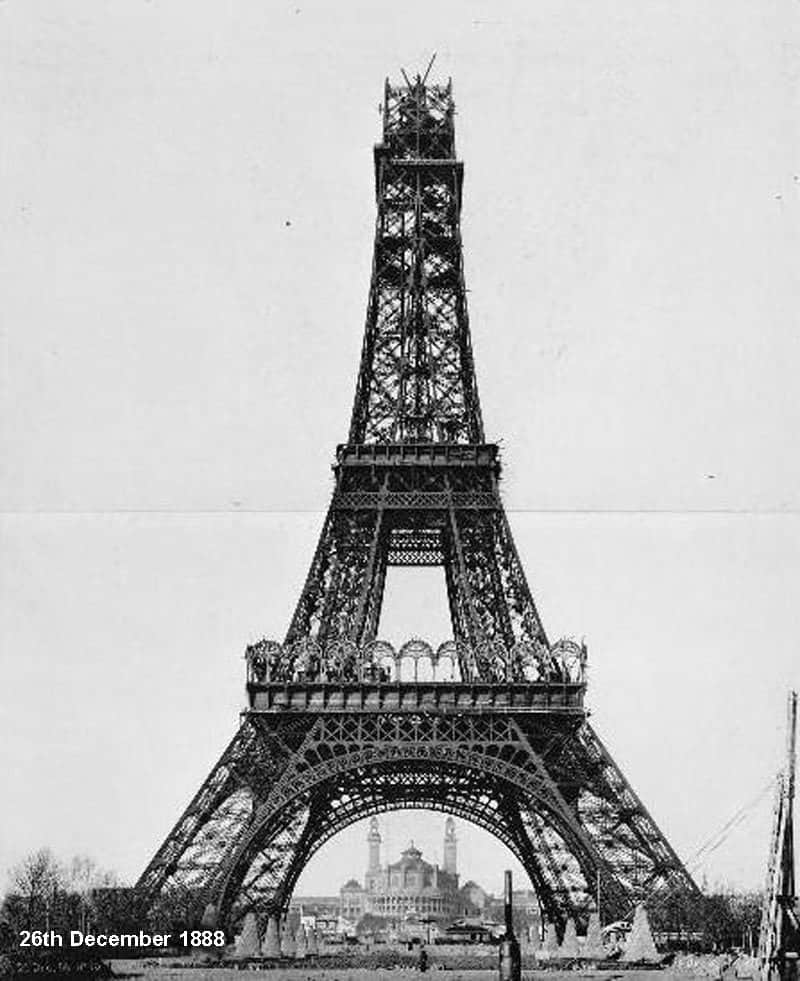
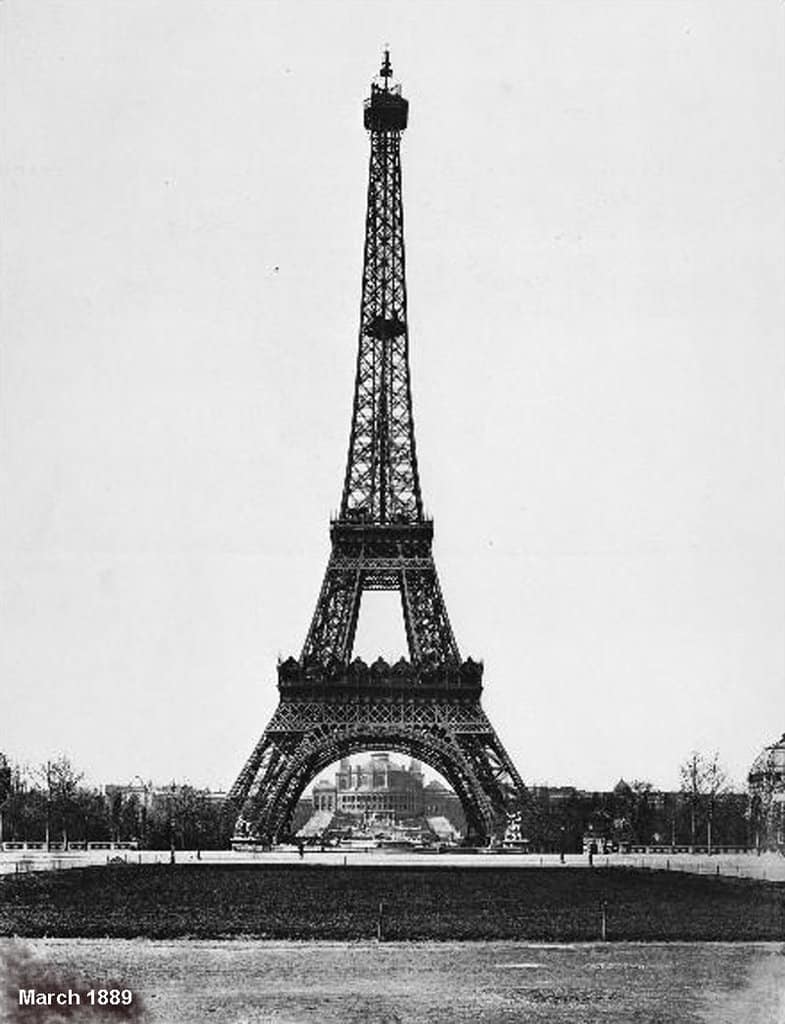
Alexandre Gustave Eiffel started his career by building several bridges for the French railway network but he is worldwide known for his unique creation: The Eiffel tower. This extraordinary project was built for the 1889 Universal Exhibition in Paris. Constructed from 1887–89 as the entrance to the 1889 World’s Fair, it was initially criticized by some of France’s leading artists and intellectuals for its design, but it has become a global cultural icon of France and one of the most recognisable structures in the world. The Eiffel Tower is the most-visited paid monument in the world with 7 million visitors every year.

Eiffel-Tower-Construction-1

Eiffel-Tower-Construction-2

Eiffel-Tower-Construction-3

Eiffel-Tower-Construction-4

The 19th Century In Watchmaking, Legends In The Making

This transition century was also a great year in watchmaking. Many small revolutions were preparing the incoming 100 years. Watchmaking would go from a simple hobby a few Swiss inventors would allow themselves to have into a glorious industrialized business. Two important names to mention here: Louis Clément François Breguet and Edouard Bovet.

Louis Clément François Breguet (1804–1883)

Louis Clément François Breguet, commonly called Louis Breguet, was educated in Switzerland, and was the grandson of Abraham-Louis Breguet, founder of the watch manufacturing company Breguet. He became manager of Breguet et Fils watchmakers in 1833 after his father Louis Antoine Breguet retired. He had two strong passions: one for watchmaking and another one for physics. Between 1835 and 1840 he standardized the company product line of watches, then making 350 watches per year, and diversified into scientific instruments, electrical devices, recording instruments, an electric thermometer, telegraph instruments and electrically synchronized clocks.

Louis-Breguet

With Alphonse Foy, in 1842 he developed an electrical needle telegraph to replace the optical telegraph system then in use and a later step-by-step telegraph system (1847) was applied to French railways and exported to Japan. He also manufactured the rotating mirror Fizeau–Foucault apparatus, used by Léon Foucault and Hippolyte Fizeau to measure the speed of light (1850). In 1856 he designed a public network of synchronized electric clocks for the center of Lyon. In 1866 he patented an electric clock controlled by a 100 Hz tuning fork.

transmitter-of-early-model-of-breguet-dial-telegraph

Edouard Bovet (1797–1849)

One very important name in Swiss watchmaking is Edouard Bovet. He was born in Fleurier, Neuchatel and he significantly contributed to the development of the Fleurier reputation and tag. While Geneva was compulsory for Swiss prestige name watches in the highest price bracket, Bovet contributed to rise Fleurier as a must have in the domain.

Edouard-Bovet
In 1818, he was sent to China, as a watch repairer, and with this experience he discovered the potential in terms of exports of Swiss high quality watches. In 1822, he creates his company, Bovet Fleurier, and started a tremendous business, mainly dedicated to very wealthy Chinese customers. During the 19th century any luxury wrist watch in China would be a Bovet. Edouard Bovet contributed to the development of Swiss watch making abroad and opened the doors of Asia to the Swiss brands. This is still a tremendous asset today.

The 19th Century in Science, A New World Awaits

Thomas-Edison-with-Light-Bulb

Last but not least, the 19th century was a fantastic time for science. Everything was coming together to allow some of the most brilliant minds of all times to achieve amazing discoveries and bring step forwards to society. The 19th century also saw the birth of science as a profession. The word “scientist” was firstly used by William Whewell in 1833. This would replace the old term of “natural philosopher”. There are so many scientific inventions and breakthroughts that we cannot imagine it all happened during these specific 100 years.

  • 1804: Morphine is discovered and isolated
  • 1804: The first steam locomotive is created
  • 1825: Aluminium is created
  • 1826: The combustion engine is patented by Samuel Morey
  • 1829: First electric engine is built
  • 1837: The telegraph is invented
  • 1841: The word Dinosaur is coined by. Richard Owen
  • 1842: Anaesthesia is used for the first time
  • 1859: Charles Darwin publishes his book Origin of Species
  • 1863: The first section of the London underground opens to the public
  • 1867: Alfred Nobel invents Dynamite
  • 1877: Thomas Edison invents the Phonograph
  • 1879: Thomas Edison tests the first lightbulb
  • 1885: Louis Pasteur invents the first vaccin against rabies
  • 1886: Karl Benz sells the first commercial automobile
  • 1889: Aspirin is patented
  • 1894: Karl Elsener invents the Swiss Army Knife

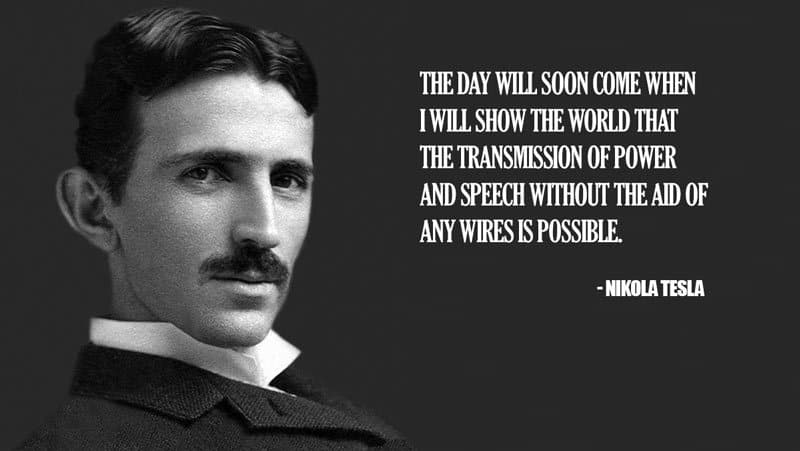
There are other great people who started their work in the 19th century and who brought tremendous breakthroughs. We can name people like Nikola Tesla, Carl Friedrich Gauss, Alessandro Volta or Marie and Pierre Curie. All these names have contributed to create the cradle in which our modern society was forged.
Nikola-Tesla

The 19th century is by far my preferred one hundred years. It was a moment in time during which we would have the feeling everything was possible. Never a century has seen so many border-crossing between artistic and scientific disciplines. Amazing people had multiple hats and used to share knowledge much more than what we share today. Feel inspired by these inspiring people and hopefully this article made your day.

Jose Amorim

Info sourced by the author for luxuryactivist.com. All content is copyrighted with no reproduction rights available. Images are used for illustration purposes only.
How to Create Your Dream Home and Stay On Budget

0
Reading Time: 3 minutes

If you’ve recently moved into a new property, or wish to make your current house feel more like home, then you’ll undoubtedly be looking for design tips, inspiration, and helpful instruction. Staying on budget needn’t be a difficult task as long as you plan how you’re going to carry out each move, know what you want and what you don’t, take setbacks into account when making calculations, and, most importantly, get creative and ingenious in your approach. If you want to create your dream home on a budget and have it incorporate aspects of your individual artistic flair, then read on:

Be Sensible about Kitchen Design

Kitchen-Design-guide

Redesigning your kitchen is infamously expensive and troublesome since the cost of changing and tweaking the systems can soon rack up. So, why not build on and improve what you already have? It is a far easier and cost-effective method than gutting the kitchen and starting all over again. Look at the choices you have for kitchen and bath remodeling and make an informed decision after having assessed the expected timescale to complete the job, price, the company’s catalog of previous work, and customer testimonials.

Don’t Underestimate Planning

When creating your dream home on a strict budget, you need to plan, plan, and then plan some more. You should take errors and mishaps into account, and budget for those too otherwise you could see your hopes and dreams for your dream home crumble before your eyes (or at least set you back many more weeks, even months). Set a date on which you’d like to have things wrapped up, and endeavor to stick to it. If you need to employ contractors, then shop around to find the best price for quality work, and settle on a budget – no more, no less.

Get Inspired

Interior-design-luxury

You should know what you want, or at least have a substantial vision of what you want to achieve before you start as this way you won’t waste time pondering the “what ifs” and “maybes.” Get inspired to save money by creating your own items by flicking through magazines, creating a Pinterest account, and reading through instructional manuals. You can create your own simple pieces of furniture as long as you can find the resources and borrow the power tools if you don’t have your own. You can also learn how to refurbish items as well as reupholster chairs, for example.

Shop Second Hand

Searching for second hand and antique items can be a lot of fun, even if the thought of traipsing through at junkyards have you cowering. You can find some real gems at these sorts of places, and you never know what you’re going to uncover. With this in mind, it’s best to begin your search for second-hand pieces of furniture and furnishings ahead of time as you might find it takes a while to spot exactly what you’re looking for. With this said, ensure that you have a safe space to store the items before you need them, as otherwise, they could clutter up your home in the meantime.

Carol

Info sourced by the author for luxuryactivist.com. All content is copyrighted with no reproduction rights available. Images are for illustration purposes only. 
From Faux-Bobs to Finger Waves: Roaring 20’s Hair Styles For Your Next Big Event

1
Reading Time: 5 minutes

The Roaring 20’s shook the Western World as wildly as Josephine Baker’s hips in her infamous “banana dance,” and the world was never the same. From business to culture, politics to fashion, it seemed society had gone completely topsy-turvy in major cities like Paris, New York City, London, Berlin, and Chicago.

Modern inventions like cars, electric appliances, and the telephone were making life was good for many. Old, stuffy traditions were loosening up, too. And although prohibition had just come to pass at the start of the decade in the United States, drinking alcohol became all the more glamorous to indulge in while dancing the night away in speakeasies and secret clubs, including for women.

History-hair-styles

Radical changes in politics and social issues were having a big impact on women’s lives. Twenties girls knew how to “werk” with twenty-five percent more joining the workforce from during and after WWI. And, just as empowering, American women finally won the right to vote in 1920! Even socially and culturally, women were shaking things up by listening and dancing to jazz, driving cars, and breaking the status quo of sexual norms. They wanted liberation now.

Art Deco, the Jazz Age, and the rise of cinema and celebrities were also shaking up art and culture with many new forms of creative expression—including in the fashion world. Beaded flapper dresses, bright Art Deco colors, fur coats, headbands with feathers or beads, long pearl necklaces, and cloche hats, oh my! Women were having a ball celebrating the era with these bold new styles. And hair was no exception. Here are seven head-turning, yet timeless hairstyles from the 20s to inspire your next party of evening look:

The Bob

Almost no other hairstyle seems to define the Roaring 20’s more than the bold bob, worn famously by stars Louise Brooks, Anna Mae Wong, and Josephine Baker. This super-short hair cut cast away traditional norms of femininity meaning long, luscious locks as women of newly-modern time opted for this short, often angular style cut right up to the base of the ear. Bold, indeed!

The Faux-Bob

For those wanting to keep some length, the faux-bob was another popular style. Hair would be brought up to right around the ear and pinned in the back using hairpins to give that still-sleek bob look. For those who wanted a more loose style, the hair would be let out a bit for a more softer, “rolled under” look.

Finger Waves

Finger waves were another very popular hairstyle that were iconic of the 20’s. These soft but dramatic waves were made by pinching the hair together using your fingers and combing the hair to made an “S”-curved wave. The waves were then held in place by lotion (today mouse or hairspray). The result was both classical feminine, yet striking.

Marcel Waves

For an even more dramatic look, marcel waves were created using a hot, curling iron. Unlike finger waves, marcelling or marcel waves come out looking a lot tighter, and far more defined.

Curls Galore

Curls in general were widely worn during the 20s. Whether short or medium to the more rare longer length, women were adorning themselves with delicious curls of many shapes and sizes. Clara Bow often sported very big and full, short curls, while others wore curls varying in slightly more defined, but still soft styles. Curls would also be worn over the full head, or sometimes just at the end of the hair or around the frame of the face.

Clara_Bow_Brewster-1921

Faux-Short Buns

Not all women wanted their hair cut short, but still wanted to wear a short style from time to time, and this is where faux-short buns proliferated. Much like the faux-bob, the hair would be pulled up to or just below the ears and fixed in tight or loose buns depending on the type of style women wanted to pull off. Faux-short buns meant both flexibility and fun for these roaring ladies.

Violet-Romer

Accessories and “All That Jazz”

Accessories also became very popular in the 20’s with women celebrating all the variety and freedom the era had to offer. The cloche was among the most widely worn hat with turbans also being very glamorous choices for evening wear. Headbands of varying styles wrapped all the way around the head from forehead to back were also immensely popular and iconic of the flapper style. These headbands, as well as hats, were often decorated with beads, feathers, pearls, and faux jewels. Women were having a ball and it sure did show in their flamboyant, celebratory styles!

Today, women are choosing to keep-the-party-going in the lively style of the Roaring 20’s with 1920’s-themed parties, period style accessories, weddings, and many other types of parties and get-together. Ready for a Great Gatsby-themed dance party, anyone? With these vivacious styles, you can count. us. in.

Lydia

Info sourced by the author for luxuryactivist.com. All content is copyrighted with no reproduction rights available. Images are for illustration purposes only. 

How to Plan a Romantic Trip for Your Spouse

Reading Time: 3 minutes

Best-Romantic-trips

Nothing says “I love you” quite like a romantic vacation for your spouse. You can sweep your partner off their feet by treating them to a luxurious break that will make him or her feel truly special, so they’ll fall in love with you even more than they already do! If you want to ensure your partner has an unforgettable experience from start to finish, read the below tips on how to plan a romantic trip for your spouse.

Determine Your Budget

The last thing you want to do is book a vacation only to run out of money a few days into your trip, which will make your partner feel less than special. Research your destination to ensure it is within your price range and determine a budget for exactly how much money you’ll need. Not only will you need to factor in flight and accommodation costs, but you may also need to pay for clothing, travel insurance, car hire, food, drinks, excursions, souvenirs, and more.

Cater to Your Partner’s Interests

While you might love a relaxing vacation on the beach, your partner might appreciate an active experience or a city break. That’s why you must pick a break he or she will love, which will prove not only how much you love them, but also how well you know them. It will truly ensure your spouse has a trip to remember.

Head Off on a Cruise

What could be better than waking up in a new location every day? Well, that’s exactly what you and your partner could experience when you book a relaxing cruise. For example, a Luxury Caribbean Cruise with Celebrity will certainly romance your partner, as they’ll love nothing more than swimming with dolphins, climbing waterfalls, and visiting historical sights.

Surprise Your Partner During a Vacation

If you want to romance your partner throughout your vacation, you need to aim to master the element of surprise. For example, you could telephone your accommodation provider in advance to scatter rose petals onto your bed, or you could pay for flowers and champagne on arrival. You could even present your partner with a thoughtful gift during a romantic dinner, such as a sleek new watch or a stunning piece of jewelry.

Turn Off Your Phone

All your attention should be on your partner during a break and not on your phone. Make it a rule that you both turn your devices off, so you can give each other the attention you both deserve. As a result, you’ll both appreciate each and every moment, rather than experiencing it through the camera.

Avoid Talking About Work

Work is one subject that’s sure to kill the romance. That’s why you must set a rule to not to talk about each other’s jobs, which could lead to unwanted stress. A vacation should be a relaxing time, and it shouldn’t be spent talking about projects, colleagues, or pressure at work. Discuss other areas of your life that will fill you both with happiness and optimism, such as your hopes and aspirations.

Carol

Info sourced by the author for luxuryactivist.com. All content is copyrighted with no reproduction rights available. Images are for illustration purposes only. 
Is Baselworld Not Interesting Anymore? Here Key Insights About The Current Situation.

0
Reading Time: 7 minutes

Baselworld-2019

This year several watchbrands and watchmakers decided to quit Baselworld. Each one had probably a different reason but at the end a common context is about to set the fate of the international watch fair.

Baselworld used to be the unique touch point between retailers and brands…. not anymore.

From a contextual point of view, Baselworld has gone through different phases and it is not the first time people say the international watch fair is over. Why today, more than never the risk of a non-happy-ending is there? It all starts with the alignment of a specific context.

Economic crisis generates an ongoing discussion all year long

Since 2009, economic crisis hit the watchmaking industry very hard. Sales were uncertain and sell-in stagnated while sell-out was stuck in an economic desert. Let’s imagine the stress of watch companies welcoming potential buyers once a year at Baselworld and hoping they will make good orders! Also imagine the pressure into the buyers shoulders when entering a watch brand stand. They felt like living targets. During the watch fair, thousands of journalists would be invited in order to create editorial coverage hoping this would generate excitement around the new models.
With the economic crisis, brands and retailers need to guarantee revenue, so a continuous communication flow needs to happen, so we can all plan ahead the incoming year. This means that Baselworld is not the only moment in which brands and retailers talk with each other. Key retailers are invited by brands headquarters and affiliated to pre and post Baselworld meetings, pre and post Christmas meetings, so Baselworld becomes a tradition, more than an absolute need.

Watch-industry-crisis

There are other watch fairs around the world that multiplies touchpoints with key retailers

What made Baselworld unique was also the fact that it was the only international watch fair in the world. It used to be the key event for the watchmaking industry where everybody would be. With the years passing by, Baselworld lost its status of being the only watch show. Now several events take place around the world which also multiplies retailers touchpoints. Let’s start with the SIHH, which became a very strong competitor. The Salon International de Haute Horlogerie was founded in 1991 by the initiative of the Richemont group and its CEO Alain-Dominique Perrin. The first year, only 5 brands were present in a 1000m2 space. 27 years later, the Geneva watch fair exhibits 35 brands in growing space now bigger than 40’000m2. More than 20´000 visitors attended the watch fair this year which is an historical record. 1’500 journalists came from everywhere that helped establishing one year more the high status of this fair.

watches-and-wonders

Another watch fair that is growing and growing is the Hong Kong based WATCH AND WONDERS. Hong Kong represents 20% of total Swiss exports, so it is important to have an annual presence there. Watch brands can exhibit novelties and take an interesting position in the region, either among watch enthusiasts or retailers. Since this year, Watch and Wonders have extended its presence to Miami in the US. This move is a smart one. First, they can present locally the SIHH models of the year. Second, the fair can benefit from the Miami design area full of potential collectors. The interest for watches has an exponential growth. New markets are growing and the need to touch base more often becomes an important strategy.

Digital technology made the world smaller

With the development of digital communication technologies, the relationship with retailers evolved. From traditional video-conference techniques, to virtual reality and augmented reality, watch brands can keep their retailers informed about the latest developments. Social media becomes a strong powerful tool allowing distributors and retailers to engage in the discussion about watch novelties and best-sellers.

Baselworld became too expensive and too complicated to attend to.

With the reconstruction of Baselworld in 2013, prices have sky-rocketed. From CHF 1’700 the square meter up to multi-million stands, Baselworld became very expensive and several brands prefer to organize their hospitalities outside the fair. The Swatch Group with is 18 brands have a budget of CHF 50 million for Baselworld. That is probably one of the reasons the Swatch Group decided to leave Baselworld. They probably think they can offer a better experience to their guests with a better cost elsewhere.
When you are experienced to go to Baselworld you know every year it is a painful experience to find the best logistics. Hotels prices are very high and if you do not book a room almost 12 month in advance, you will have issues to find availability. Parking is also very complicated and if you try to find a table at the restaurant… good luck with that. This lack of infrastructures makes things difficult. If you are a journalist, a brand or a potential buyer, you will find hard to accommodate such conditions after so many years.

But It is not the first crisis for Baselworld, the watch show can evolve.

While everybody is shocked by the decision of the Swatch group to quit Baselworld, we still do not know what is going to be with LVMH, Chanel and many others. Baselworld commission released a press communication document in which they express the fact they regret Swatch Group leaving the fair but they bring more food for thought. They explain they want to evolve and will evolve in 2019. This might bring the Swatch Group back to the table of discussions.
Michel Loris-Melikoff, who became Baselworld’s new Managing Director on 1 July 2018, likewise confirmed that the transformation of Baselworld from an order platform to an attractive marketing, communications and events platform will be prioritized in 2019.

  • The event focuses on Hall 1 in 2019
  • The best creations by independent watchmakers, will be presented in Hall 1.0 South, which was not used last year.
  • Hall 1.1 will be the venue for “The Loop”, an area which will present an exhibition about the art of watchmaking (“Métiers des Horlogers”).
  • A diverse selection of catering options, ranging from takeaway to an exclusive three-star restaurant, will be available for exhibitors and visitors.
  • The catering areas thus move from the show’s periphery to its centre.
  • Another highlight is the new “Show Plaza” in Hall 1.2, which will bring together the best jewellery manufacturers.
  • A spectacular 240° catwalk with numerous LED screens makes it possible to stage jewellery in totally innovative ways. Loris-Melikoff explains: “This area will also be used for a wholly revised press day and a Retailer Summit, which takes place for the first time.”

Michel-Loris-Melikoff-baselworld

Loris-Melikoff also announced intensive discussions with representatives of Basel’s hotel and restaurant industry, with the goal of achieving constructive solutions. The objective is to draw up and sign a “Charta” with partner hotels to guarantee a reasonable price level. In return, Baselworld would recommend the hotels as the show’s partners.

There is no question that Baselworld can  evolve. The question is more about the need for watch fairs from a business point of view? Let’s not forget that watch trade shows are a Business-to-business event. If the business reality is changing and the need for these shows are lower, there will be a revision of the nature of these shows. Should it be for the public or should be a different purpose? Probably we should not see watchmakers in one side and the Baselworld committee in the other. They should all sit together and draft the future for all.

Arsène Wargas

Info sourced by the author for luxuryactivist.com. All content is copyrighted with no reproduction rights available. Images are for illustration purposes only. 
Pros and Cons of Lash Extensions: Are They Worth It?

0
Reading Time: 3 minutes

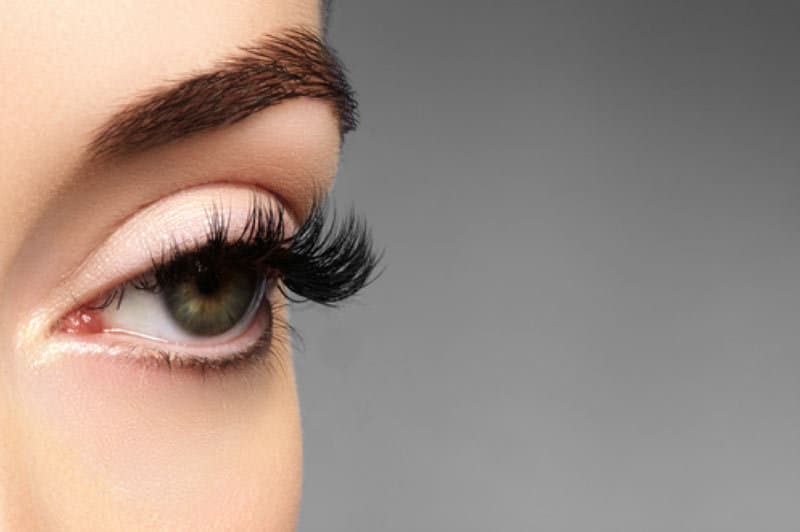
Eye-Lashes-guide

Lash extensions are a wildly popular trend in the beauty industry. In fact, according to a Wise Guys Report, the industry is growing by roughly 1.82 percent year on year, and is expected to reach a market size of $754 million by 2022. If you’re thinking of taking the leap and investing in some lash extensions but don’t really know much about it, take a look at some pros and cons to help you make the best decision.

Pros of Lash Extensions

Less Time Spent on Your Beauty Routine

By getting lash extensions, you significantly cut down the time you spend on your everyday routine. Yes, by going to a professional, you are taking time out of your day and it will take some time to get them applied. But afterwards you will spend less time on your everyday makeup routine.

Gives a Natural Look Even Without Makeup

Why are long lashes such a sought after beauty trend? They naturally open up your eyes and make you look more awake. Even without wearing any makeup, lash extensions will ensure you have more of a glow without a touch of product to your face, making you look and feel better.

Makes a Statement With Makeup

Lash extensions are also very versatile. While they can assist in a natural look, they also can look very glamorous when styled correctly with the appropriate makeup. Depending on where you buy your eyelash extensions from, you can also customize them according to volume, texture and color so you’re able to get the exact look you’re after.

Comfortable to Wear

While from the outside it may look like lash extensions are irritating, you’d be surprised at just how comfortable they are if applied correctly. Easily blending into your face with minimal weight on your eyelids, they are an added beauty bonus with minimal pain or inconvenience.

Cons of Lash Extensions

Possible Allergic Reaction

Depending on the glue and material of the extensions, there is a chance that some people may suffer from allergic reactions as a result of getting eyelash extensions. This can be especially harmful considering it is so close to the eye, and can therefore start to irritate your pupils if there is irritation. Do your due diligence and research into what type of extensions would work best for you.

More Maintenance

While you save time in daily mascara application and your overall makeup routine, eyelash extensions can involve some regular maintenance. Blow-drying, cleaning and brushing maybe part of your daily routine, and can occur more than once a day depending on how often you workout, sweat, shower or do activities that could bother them.

Can Be Hard to Remove Makeup

Overtime, the glue of the extensions slowly weakens, and in order to get the most value out of them, you have to be cautious not to pull or rip them off. This can be especially difficult when wiping off makeup, as it often requires rubbing and friction that can weaken the eyelash glue.

Lash extensions are a great little beauty trick that many women are investing in as part of their regular beauty routine. With these pros and cons, it should be easy to make the decision if they’re right for you.

Carol

Info sourced by the author for luxuryactivist.com. All content is copyrighted with no reproduction rights available. Images are for illustration purposes only

How to Plan a Romantic Honeymoon

Reading Time: 3 minutes

Honey-moon-tips

It’s your honeymoon, so it’s bound to be romantic right? Not necessarily so, unfortunately. Planning a honeymoon is possibly one of the most stressful parts of getting married, and it’s usually left to the newlyweds to organise. To help all you love birds out there we’ve put together a few tips. There are some tips that relate to the planning of this romantic occasion as well as some tips for traveling as a newly married couple. After a stressful wedding day, your honeymoon should be something to look forward to and enjoy. After all, it is your first experience of being a married couple. Even if you’ve already been living together for a while, those wedding bands and a piece of paper make a lot of difference.

Talk About Your Preferences

This is a holiday for the both of you, so be sure to cater to both of your tastes. Rather than end up allowing only one half of your newly married couple to enjoy themselves, meet halfway. You should ask, for instance, whether you want a beachy honeymoon, a visit to a metropolitan city or something completely wild, such as a safari in Africa. What’s more, you should also discuss the accommodation you wish to stay in. Exploring the many villas in Vilamoura, for instance, can offer added luxury and romance for newlyweds, and can offer privacy and freedom. As a newly married couple, you’ll want to spend as much time together, forgetting the outside world, and if you wish to have more independence in your accommodation, a private villa is more than ideal.

Do Some Research

As well as researching different romantic destinations, see if you can find first-hand experiences of other honeymoon couples. It’s always a good idea to see what worked and didn’t work for other people, and you’ll get some great ideas. The internet is wonderful when it comes to finding out about other people’s experiences. There are plenty of people willing to spill the beans on their first holiday as man and wife.

Decide on a Budget

Don’t be tempted to blow all your savings on the holiday of a lifetime. There are many ways you can save money and still have a good time. Think about your average daily spend and add in some extra for unexpected events. Include flights, accommodation, food, sightseeing, transfers to and from the airport and other items such as shopping.

Allow Enough Time for Yourselves

You’re jetting off to somewhere new and exotic, and the most obvious thing to do is spend all your time exploring the location. Of course you want to do lots of sightseeing, but don’t forget to allow some time for yourselves. Trying to fit too much into every day will leave you both exhausted. There are many ways to add romance to a honeymoon that doesn’t take a lot of planning but make a big difference.

honey-moon-guide

Pack Smart

There are some essentials you won’t want to leave home without. For example, your passport and travel documents. Remember to pack all your technology items, including chargers, headphones, power bank and USB cable. Unless you decide to leave it all at home and enjoy being unreachable for a week or two. Pack enough clothing to cover all eventualities but don’t go overboard.

Carol

Info sourced by the author for luxuryactivist.com. All content is copyrighted with no reproduction rights available. Images are for illustration purposes only.